0046 040-236873 info@swedencrystal.com
 Översätt
Damaged glass, repair, care, renew your glass
Here you can find up-to-date advice on how to keep your glass intact and fresh over the years. How to store, handle, repair and renew damaged glass.
This guide below is primarily to help you know how to best handle your valued and fine crystal glasses to get as much pleasure as possible from them, as well as how you can repair or improve the glasses.
We have 40 years of experience in glass forging bronze manufacturing
What problems can occur with glass over the years
Over time, various problems can occur with glass. Here are some common problems and their causes:
- Scratches and damage: Glass is prone to scratches or damage from physical contact, improper cleaning, or use of hard objects.
- Cracks and breaks: Glass can crack or break due to strong impacts, thermal stresses (rapid temperature changes) or mechanical loads.
- Haze and discoloration: Glass can become hazy or lose its shine over time due to the build-up of dirt, scale or other substances. For glass in buildings, this can be caused by weathering and soiling.
- Condensation problems: Window glass can suffer from condensation between the layers of glass, especially if the seal is damaged. This is particularly true of older double-glazed windows.
- Weakened strains in heat-treated glass: Heat-treated glass, such as tempered glass, can weaken over time if exposed to a constant high temperature difference.
- Deformations: Glass windows and other large glass surfaces can deform over time, especially if they are not properly installed or if they are subjected to uneven loads.
What problems can you get with glassware over the years
Glassware can face various challenges over time. Here are some of the most common problems:
- Scratches and wear: When glass is used frequently, it can become scratched or worn. This is especially true if you use dishwashers, harsh cleaning agents, or store the glasses in a way that allows them to rub against each other.
- Loss of shine: Over time and with frequent cleaning, glass can lose its original shine and become dull.
- Discoloration: If glass is exposed to certain beverages such as wine, juice or tea for extended periods, it can develop severe stains.
- Cracks and breaks: Glass can crack or break due to impact, sudden temperature changes or other physical stresses.
- Occurrence of glass pest: This is a chemical reaction that can occur when glass is exposed to moisture over time, leading to an opaque coating, often called "glass pest".
- Aging or erosion: Crystal and leaded glass can experience aging or erosion over time, which can be caused by both use and environmental influences.
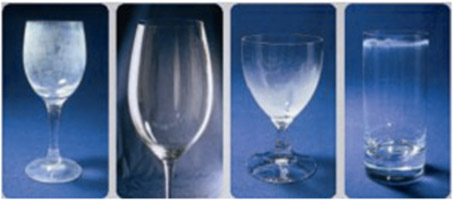
How to fix problems with glassware.
Here are some tips to fix and prevent problems with glassware:
Scratches and wear and tear
- Storage: Keep glasses separate so that they do not rub against each other. Use glass shelves or individual compartments in the dishwasher.
- Cleaning: Avoid abrasive cleaners and hard sponges. Use microfiber cloths and mild detergents.
The shine of the glass disappears
- Polishing: Use specialized glass polishes and microfiber cloths to restore the shine. An old housewife's trick is to use a vinegar solution to remove matte stains.
- Rinsing: Add a rinse aid to the dishwasher to prevent glasses from becoming dull.
Discoloration
- Soaking: Soak the glasses in a solution of bicarbonate of soda and water or in white wine vinegar to remove tough stains.
- Use: Avoid leaving drinks in the glasses for long periods.
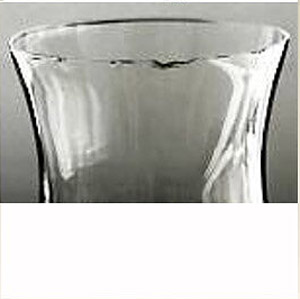
Cracks and breaks
- Handling: Handle the glasses carefully to avoid shocks and sudden temperature changes.
- Replacement: Check glasses regularly and replace them if there are signs of cracks or damage to prevent them from breaking during use.
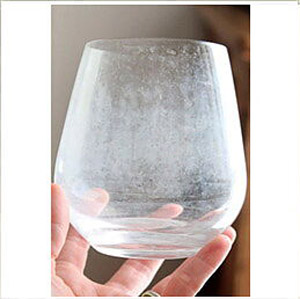
Occurrence of glass pest
- Dry conditions: Keep glasses dry and avoid humid environments. Dry the glasses thoroughly after cleaning.
- Treatment: If glass pest does occur, it can sometimes be treated with vinegar or a weak acidic cleaner, but unfortunately it is often difficult to remove completely. Always wash crystal glasses, fragile objects and older glasses by hand. Dishwasher use can cause glass pest. To reduce the risk, run the glasses in the machine at a temperature below 55 degrees and choose a short program.
Avoid the drying program if possible and open the door immediately after finishing the washing program to release the steam. Make sure the glasses are completely dry before placing them in kitchen cabinets. Store them upside down - if they stand up and encapsulate moisture, it can lead to glass pest or glass disease.
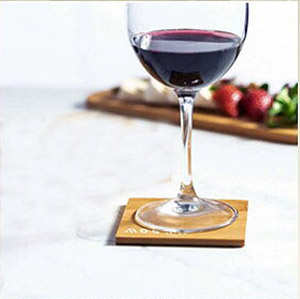
Management or erosion
- Care: Follow the manufacturer's recommendations for the care of crystal and lead glass. Avoid exposing them to strong detergents or hard water.
- Protection: Use protective coasters when placing glasses on hard surfaces.
Can you repair cracked or damaged glassware?
Repairing cracked or damaged glassware can be difficult and the result may not always be perfect. However, there are some options and methods you can try:
Gluing small cracks
- Epoxy glue: You can use a two-component epoxy glue specifically for glass to fill small cracks or join parts of the glass. Keep in mind that drying time may vary.
- Remove all dirt and thoroughly clean the damaged surface.
- Apply a thin layer of epoxy glue to the crack with a small brush or other tool.
- Allow the glue to dry according to the manufacturer's instructions.
- UV glue: This is another option that requires UV light to cure. It can be more transparent than epoxy glue and give a neater result.
Repairing edge damage
- Grinding and polishing: If the edge of the glass is damaged or chipped, it can sometimes be ground and polished to make it safe and usable again. However, this is something best done by a professional glass repairer.
Replacement if possible
- Replacement: In cases of severe damage, or if the glass has a high sentimental value, it may be best to consider replacing the glass rather than trying to repair it. Many manufacturers and retailers offer individual glasses to match your tableware set.
Safety aspects
Please note that repaired glass may not be as durable as before the damage, and there may be an increased risk of it breaking again in future use. Also, be careful when working with glass adhesives as some types may expose you to harmful chemicals.
Wear protective gloves and work in a well-ventilated area if you choose to attempt glass repair yourself.
If you need more help or guidance, you can consult a specialized trade or a professional glass repairer.
Can old glassware be replaced?
Absolutely! There are several creative and practical ways to turn old glassware into something new and useful. Here are some ideas: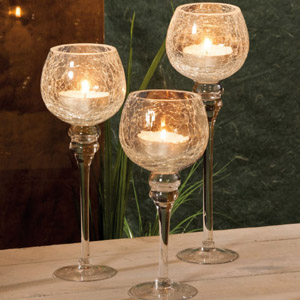
Reuse as Decorations
- Candle holders: You can turn old wine glasses or other tall glasses into candle holders. Place tea lights or small pillar candles in the glasses for a charming focal point.
- Flower vases: Vases are a classic way to reuse glass. You can decorate them with paint, string or other materials to give them a personalized look.
- Hanging ornaments: Tie rope or wire around the edge of the glass and hang them as decorative elements. Fill them with stones, shells, or dried flowers for a nice effect.
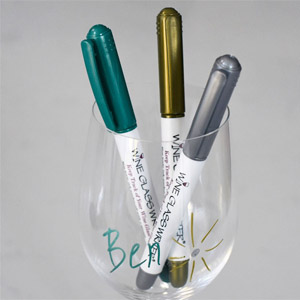
Practical projects
- Storage: Old glasses can be used to store small items such as office supplies, makeup brushes or kitchen utensils.
- Bird feeder: Use the glass to create a bird feeder. Attach the glass horizontally and fill it with food to attract birds to your garden.
Arts and Crafts
- Mosaic: Carefully break the old glass and use the pieces to create mosaic projects. You can decorate tables, mirrors, frames and much more.
- Decorative lanterns: Attach small glittery or colored objects to the glass and place a light source inside to create unique lanterns.
Redesign for new purposes
- Decanter set: If you have several glasses of the same set, consider adding a decanter and making a decanter set for serving drinks or water.
- Terrariums: Design small ecosystems or micro-gardens out of e.g. larger glass pots or glass bowls. You can put soil, small plants and decorative stones inside.
